

Unpacking the odds: How casinos ensure profits
The House Edge Explained
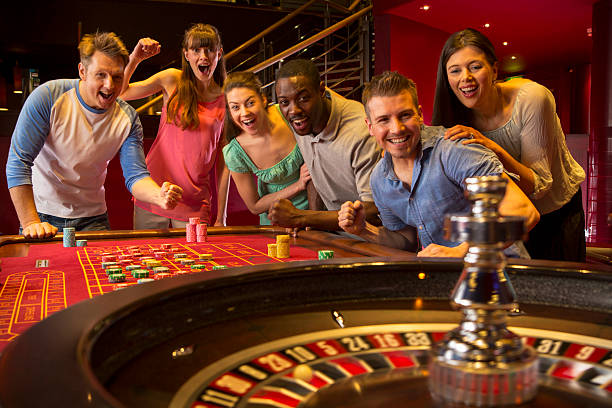
The concept of the house edge is fundamental to understanding how casinos operate profitably. The house edge is a mathematical advantage that ensures the casino profits over time, regardless of short-term fluctuations in player winnings. It is typically expressed as a percentage, indicating how much of every bet the casino expects to keep over the long run. For instance, in a game of roulette, the house edge can range from 2.7% in European roulette to around 5.26% in American roulette, due to the extra “00” pocket. Additionally, players seeking opportunities for a potential payout might explore options like fast withdrawal casino uk real money that can influence their gaming experience. This slight difference significantly impacts the casino’s profitability.
Every game in a casino is designed with a specific house edge, strategically calculated to favor the establishment. This means that even if players experience winning streaks, the odds are always tilted in favor of the casino in the long term. The house edge applies to all games, from card games like blackjack to slot machines. Each game’s design, payout structure, and rules contribute to the overall statistical advantage that the casino maintains, ensuring that they earn a consistent profit over large volumes of bets.
Understanding the house edge is crucial for players who want to maximize their enjoyment and minimize losses. While games may seem random, their outcomes are driven by probabilities built into their designs, meaning informed players can choose games with better odds. However, they must also remember that, regardless of the game chosen, the house edge remains. Therefore, responsible gambling practices combined with a keen understanding of these odds can enhance the overall gaming experience while still recognizing that casinos are built to win in the end.
Game Design and Payout Structures
Casinos invest significant resources into the design of their games to entice players and encourage longer playtime. Game mechanics, visual appeal, and sound effects all contribute to an immersive experience that can lead players to spend more time and money. For example, modern slot machines often include elaborate themes and engaging storylines, making them more than just a place to gamble; they become an entertainment experience. This deliberate design strategy heightens players’ emotional engagement, often leading them to overlook the odds.
Payout structures are another essential element of game design that influences casino profitability. Each game has a defined payout percentage, or Return to Player (RTP), which indicates how much of the total wagers is returned to players over time. While high RTPs may attract players, they are also balanced with the inherent house edge to ensure the casino’s profitability. By utilizing various payout models, casinos can create a diverse gaming environment that caters to different player preferences while still maintaining that essential advantage.
Moreover, casinos often employ psychological tactics in their game design, such as providing frequent small wins or using near-miss scenarios. These strategies manipulate player perceptions, often leading them to believe they are closer to winning than they actually are. This illusion can prolong play sessions and ultimately enhance the casino’s bottom line. By carefully crafting both the games and the associated payouts, casinos ensure a balance that keeps players engaged while securing profits.
The Role of Marketing and Player Loyalty Programs
Marketing strategies play a crucial role in driving foot traffic to casinos. Promotions, advertisements, and loyalty programs are designed to attract and retain players while ensuring that they spend more during their visits. Casinos often offer enticing bonuses, such as free spins or match bonuses, encouraging new players to try their luck and existing players to return. These marketing tactics create a sense of urgency and excitement, effectively increasing the size and frequency of bets placed.
Loyalty programs further enhance player engagement by rewarding frequent visitors with points that can be redeemed for various perks, including free meals, hotel stays, or exclusive access to events. By fostering a sense of belonging and appreciation, casinos can motivate players to return time and again, increasing their total gaming expenditure. This not only boosts profits in the short term but also builds long-term relationships with customers, ensuring sustained revenue over time.
Additionally, data-driven marketing is becoming increasingly relevant in the casino industry. By analyzing player behavior and preferences, casinos can tailor their offerings and promotions effectively. For instance, if a player frequently engages with a specific game, the casino might offer targeted promotions for that game, maximizing the chances of increased play. Understanding customer demographics and gaming habits allows casinos to focus their marketing efforts more efficiently, ensuring a steady stream of revenue while enhancing the overall customer experience.
Online Gaming and the Future of Casinos
The advent of online gaming has transformed the casino landscape, offering players the convenience of gambling from their homes. Online casinos typically have lower overhead costs compared to their physical counterparts, allowing them to offer more attractive odds and bonuses. However, the same principles of the house edge and game design still apply, ensuring that these platforms remain profitable. The integration of technology has also enabled online casinos to create a vastly more diverse range of games, catering to a global audience while maintaining player engagement.

Moreover, online platforms can implement advanced analytics and machine learning algorithms to enhance personalized gaming experiences and drive profits. By tracking player behavior, online casinos can optimize their offerings, provide real-time bonuses, and create tailored marketing strategies that appeal to individual preferences. This level of personalization significantly enhances player satisfaction and loyalty, which is crucial for sustained profitability in a competitive marketplace.
As technology continues to evolve, the future of casinos may see even more innovations, such as virtual reality gaming and blockchain technology. These advancements promise to provide immersive experiences and enhanced security, further attracting new customers and retaining existing ones. While the fundamental principles of ensuring profit will remain, the methods and platforms through which these principles are applied will undoubtedly continue to adapt in response to shifting market demands and player expectations.
Understanding the Casino Experience
The overall experience of visiting a casino extends beyond the games themselves. Casinos are designed to be immersive environments that engage all five senses, creating a unique atmosphere where players can escape reality. The sights and sounds of spinning wheels, ringing coins, and flashing lights create an electrifying ambiance that encourages longer play. The layout of the casino is also strategically planned to keep players engaged and moving through the space, ensuring that they encounter various gaming options.
Moreover, the social aspect of casinos cannot be overlooked. Gaming is often a communal activity, with players interacting at tables and sharing experiences. This environment fosters a sense of camaraderie among players, encouraging them to bet more and stay longer. Casinos often promote this social interaction through tournaments and events, further enhancing player engagement and increasing overall spending.
Ultimately, the combination of game design, marketing, and the immersive casino experience work together to ensure profit. By understanding the dynamics at play, players can make informed decisions while enjoying their time in these entertainment establishments. Whether visiting a physical casino or engaging in online gaming, recognizing how these elements influence outcomes can lead to a more enjoyable and rewarding experience.
